








Introduction
In electric guitar manufacturing, the choice of wood is crucial as it directly influences the guitar's sound performance. Commonly used woods for electric guitars include maple, mahogany, and rosewood, among others. The following details how these woods influence the sound of electric guitars.
Maple
Visual Characteristics
Maple typically has a light color, ranging from pale white to light brown. Its grain is clear and relatively uniform, with a unique beauty that often gives a clean and bright visual impression. It is used to make the necks and bodies of many electric guitars.
Price Ranges
The price of maple varies depending on factors such as variety, quality, and origin. In general, ordinary maple has a relatively moderate price, while some high-quality varieties, with special grain or from specific regions, such as premium Canadian maple, have a higher price.
Wood Properties
Maple has a relatively high density and hard texture, giving it good stability and durability. It can withstand string tension without easily deforming, providing reliable structural support for the electric guitar.
Sound Characteristics
Electric guitars made of maple have a clear and bright sound, with a pronounced high-frequency response. The sound has good penetration and a distinct grain, making notes clear and powerful, particularly suitable for music styles like rock or pop, easily standing out in a band mix.

Mahogany
Visual Characteristics
Mahogany is predominantly reddish-brown to dark brown, warm and lustrous. Its grain is generally fine, with a natural beauty and elegant charm, often used for making electric guitar bodies, contributing a unique vintage charm.
Price Ranges
The price of mahogany varies according to variety and quality. In general, ordinary mahogany has a moderate price, but high-quality varieties, such as Honduran mahogany, are relatively more expensive due to their rarity and excellent quality, highly prized in the market.
Wood Properties
Mahogany has a moderate density and is relatively soft and light. It possesses good resonance properties and can effectively transmit string vibrations, making the sound warmer and richer.
Sound Characteristics
Electric guitars made of mahogany have a warm and soft sound, rich in the mid-range, with a certain thickness and elasticity in the low frequencies. These sound characteristics allow it to excel in styles like blues or jazz, creating a warm and harmonious musical atmosphere.

Rosewood
Visual Characteristics
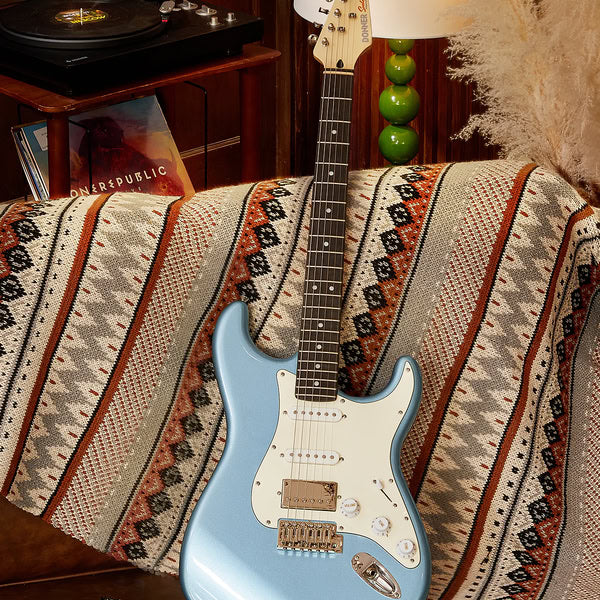
Rosewood is dark in color, ranging from dark brown to deep black. Its grain is complex and irregular, with unique patterns, offering an elegant and noble visual effect. It is often used to make electric guitar fretboards, enhancing the instrument's aesthetics and texture.
Price Ranges
The price of rosewood varies considerably. Ordinary rosewood is relatively affordable, but some rare varieties, such as Brazilian rosewood, are extremely expensive. Being under international protection, its acquisition and use are strictly regulated, making it rare on the market.
Wood Properties
Rosewood has high density and hardness, good wear resistance, and high stability. It also has a high oil content, which helps improve sound performance and wood lifespan.
Sound Characteristics
Electric guitars with rosewood fretboards have a warm and rounded sound, with soft high frequencies, full mids, and deep, resonant lows. When playing music styles like classical or folk, they can offer a detailed and rich sound hierarchy, making the music more expressive.

Conclusion

In conclusion, the three common woods—maple, mahogany, and rosewood—each exhibit distinct visual characteristics, price ranges, properties, and sound characteristics. When choosing an electric guitar, you can consider your personal playing style, preferences, and budget to find the most suitable wood type and thus achieve the ideal sound effect.