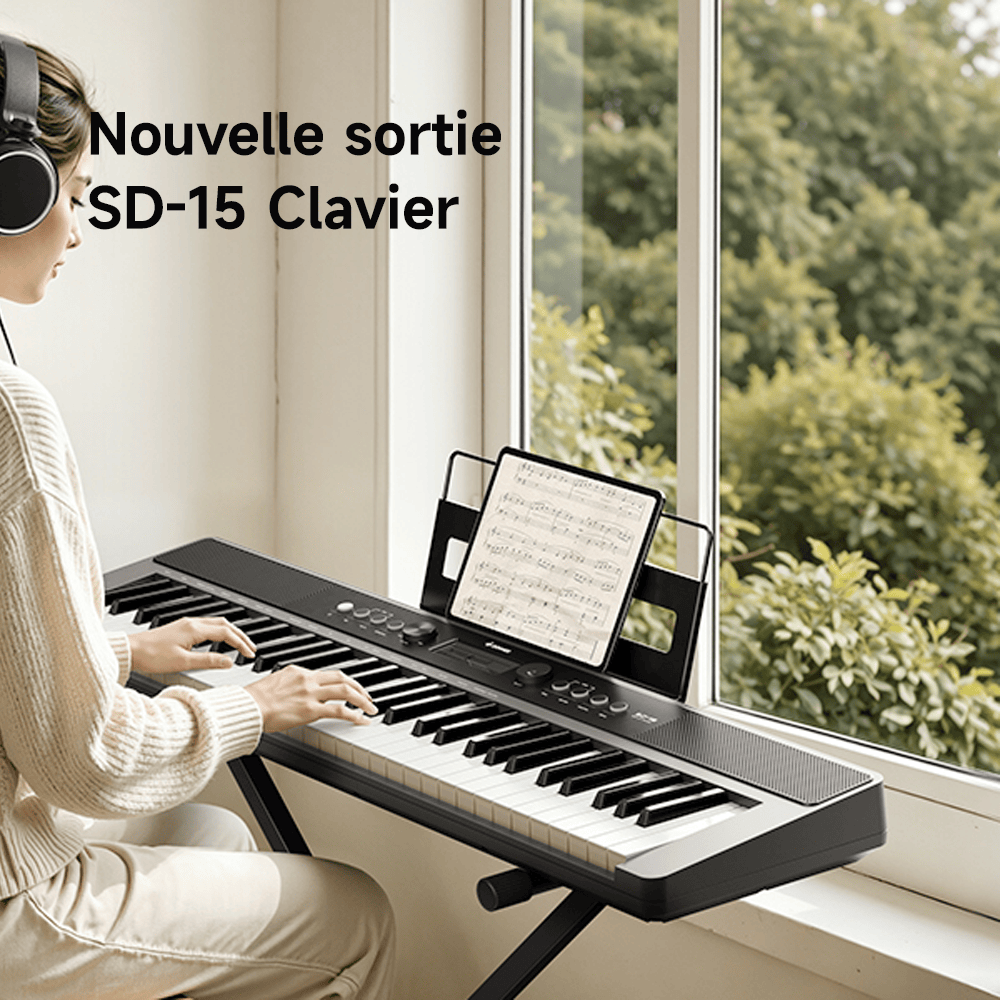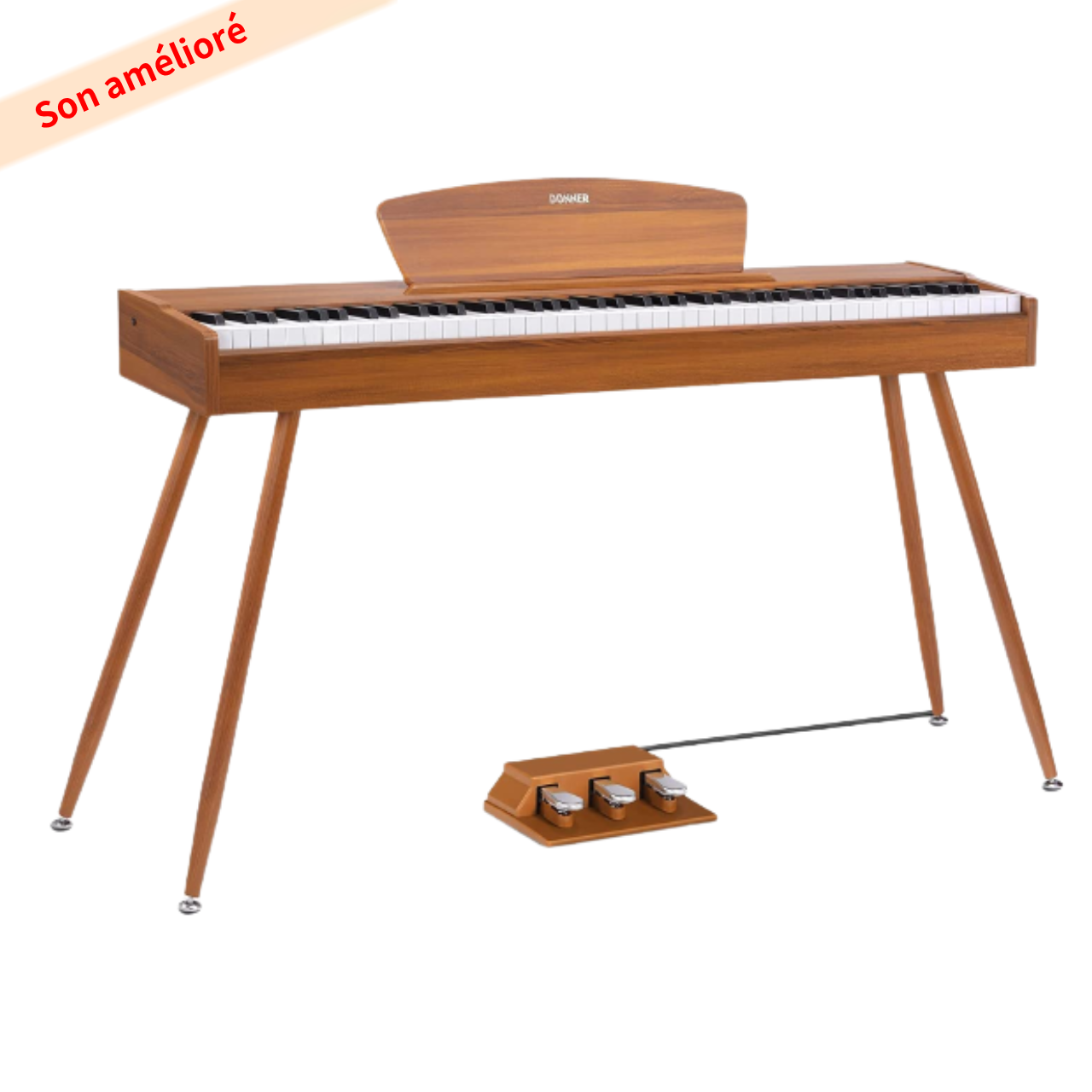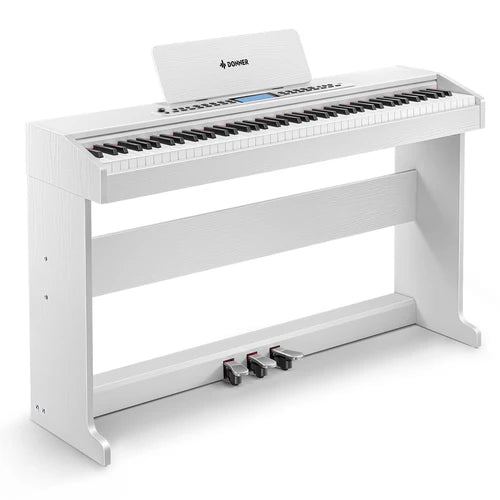





Digital pianos have become a popular choice for musicians seeking versatile and portable instruments. However, understanding the lifespan of a digital piano is crucial for making informed investment and maintenance decisions. In this blog, we'll delve into the factors that influence the longevity of digital pianos, their typical lifespan, what factors play a role, and effective maintenance strategies.
How long does a digital piano last?
The lifespan of a digital piano varies depending on several factors. On average, a well-maintained digital piano can last between 10 to 20 years. However, technological advancements and changes in personal preferences may encourage users to upgrade to newer models within this timeframe.

Why is the digital piano lifespan shorter?
Digital pianos, while offering numerous advantages, have a limited lifespan. Several factors contribute to their comparatively shorter lifespan compared to their acoustic counterparts:
Technological Advancements:
Rapid advancements in technology lead to the introduction of newer models with enhanced features. As a result, older digital pianos may become obsolete, impacting their overall lifespan.
Electronic Components:
The heart of digital pianos relies on electronic components, which can degrade over time. Factors such as wear and tear, exposure to environmental conditions, and electronic failures contribute to a limited lifespan.
Manufacturing Quality:
The overall manufacturing quality of a digital piano, including the materials used and construction, plays a significant role. High-quality components and craftsmanship can extend the lifespan.
What does it depend on?
The longevity of a digital piano hinges on various factors, and understanding these can help users maximize their instrument's lifespan:
Frequency of Use:
Heavy usage, such as daily practice or professional performances, can contribute to faster wear and tear compared to occasional use.

Technological Obsolescence:
As technology advances, digital pianos may become obsolete. Staying informed about technological advancements can influence upgrade decisions.
Environmental Conditions:
Exposure to extreme temperatures, humidity, or direct sunlight can affect electronic components. Storing the digital piano in a controlled environment helps mitigate these issues.
Manufacturing Quality:
A well-constructed digital piano with quality materials and craftsmanship tends to have a longer lifespan. Investing in a reputable brand can pay off in terms of durability.

How to maintain your digital piano for longevity?
To extend the life of your digital piano, consider the following maintenance tips:
Environmental Control:
Keep the piano in a stable environment with controlled temperature and humidity levels to prevent electronic and mechanical issues.
Regular Cleaning:
Dust and debris can accumulate on keys and internal components, impacting performance. Regularly clean keys and other accessible parts using a soft, dry cloth.

Proper Usage:
Avoid excessive force when playing keys or using pedals. Gentle and consistent use can prevent unnecessary strain on internal mechanisms.
Software Updates:
If firmware updates are available for your digital piano, ensure you keep the software up to date. This can improve performance and address potential bugs.
Professional Servicing:
Schedule periodic check-ups with a professional technician to assess internal components, sensors, and the overall functionality of your digital piano.
In conclusion, understanding the factors influencing a digital piano's lifespan empowers users to make informed decisions. By incorporating proper maintenance practices and considering the evolving technological landscape, users can optimize the longevity of their digital pianos, ensuring years of musical enjoyment.